
Doing Time At Downstate Correctional

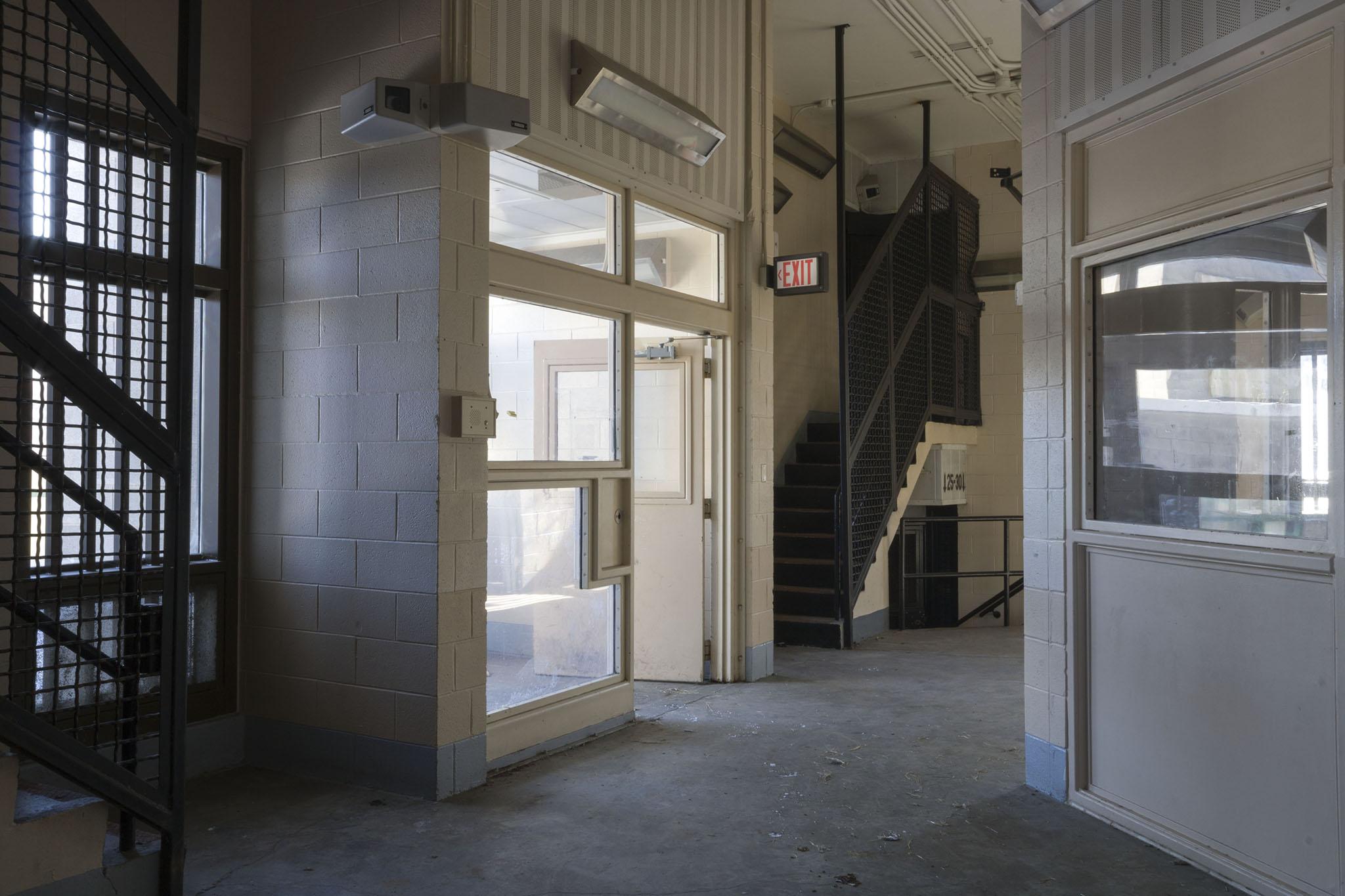
Seemingly out of place in quiet surburia is the Downstate Correctional Facility, covering over 100 acres and contains 30+ buildings onsite. Residents of the area are sure to have some connection to the now closed medium security prison capable of holding 1,234 inmates.
Former New York Governor, Nelson Rockefeller, envisioned the creation of a classification/reception center for the recently incarcerated at the start of the 1970s; inmates were intended to spend three to five weeks at this location before being transferred to another prison to serve their sentence.
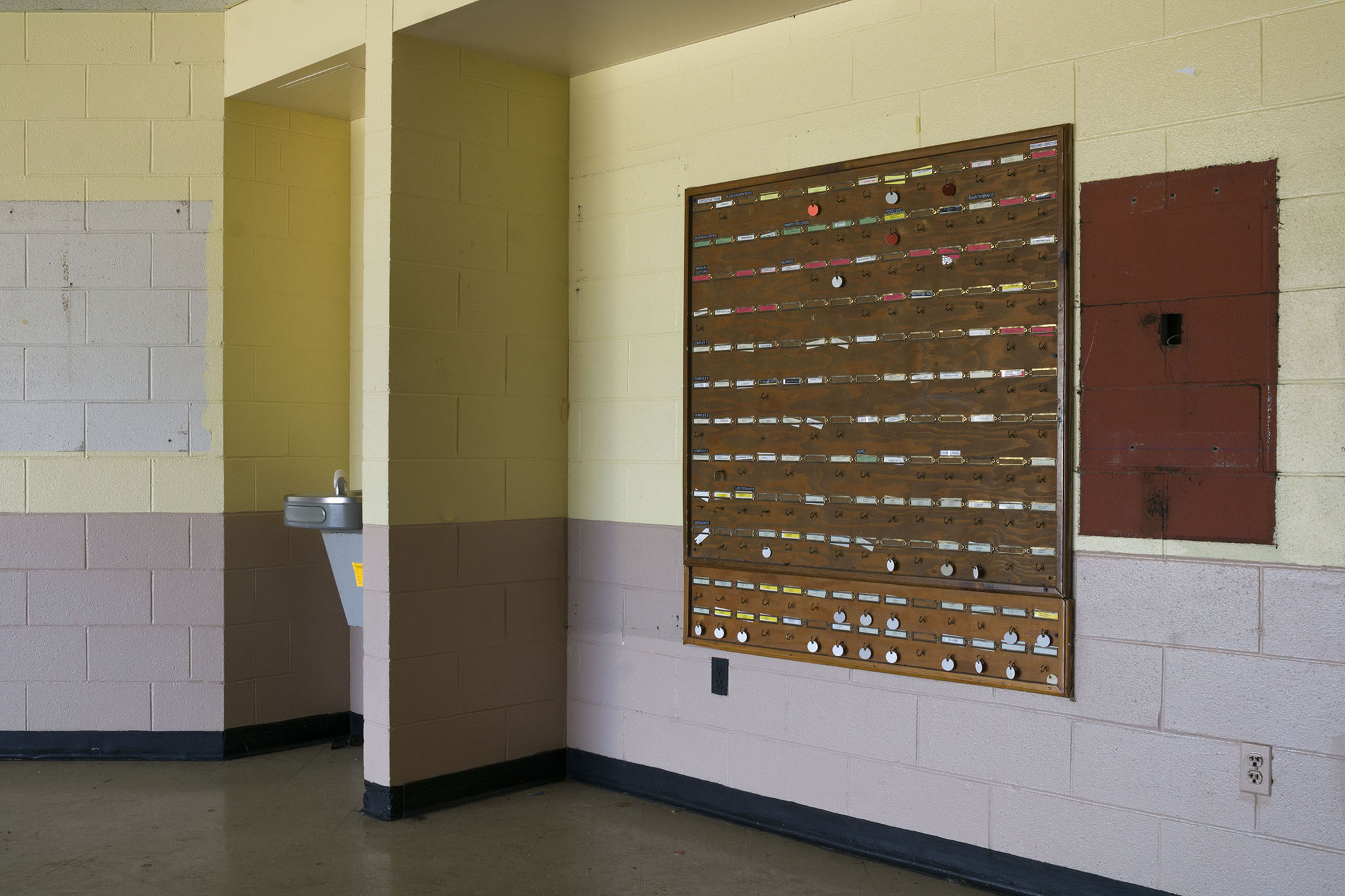
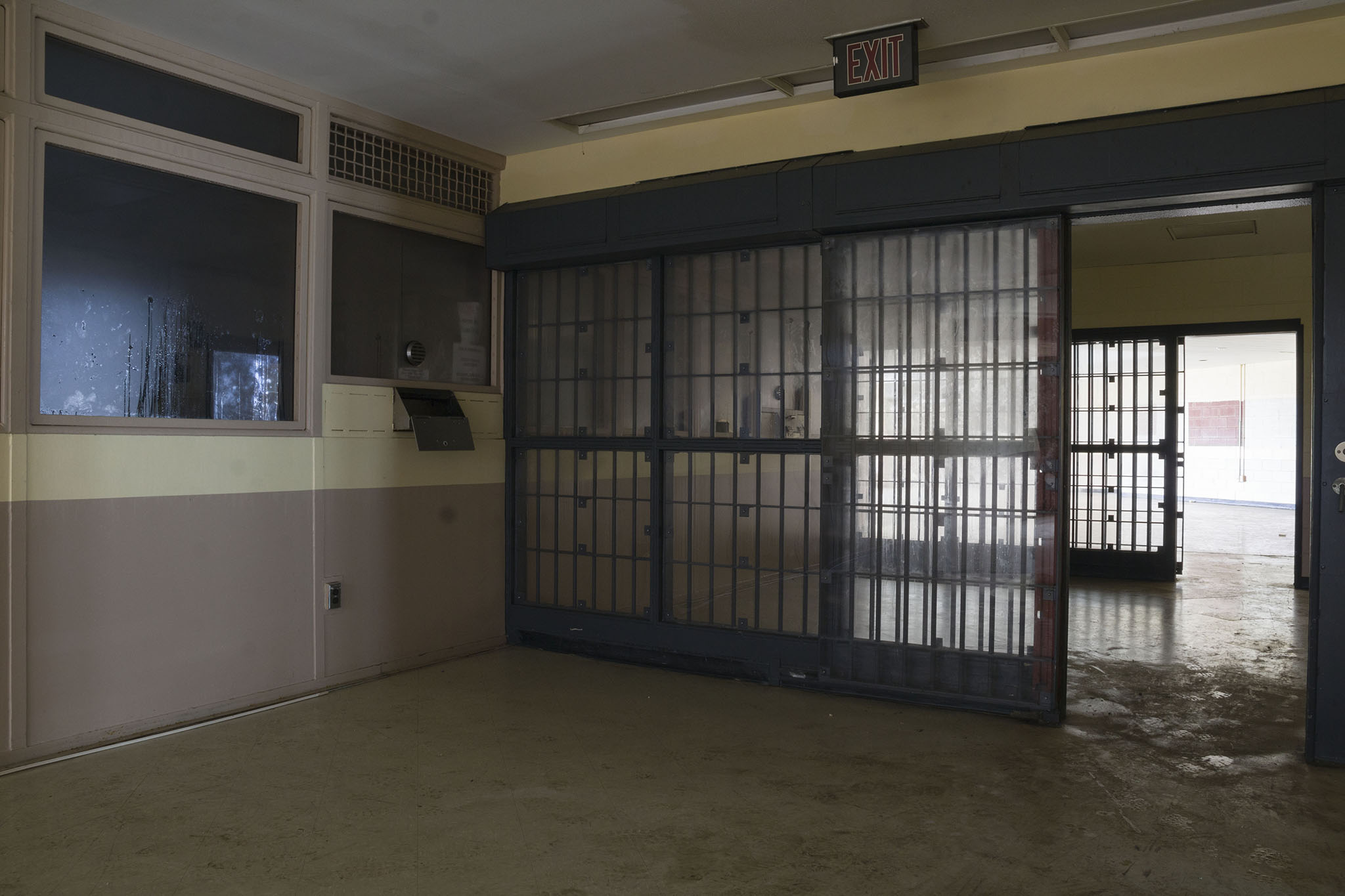

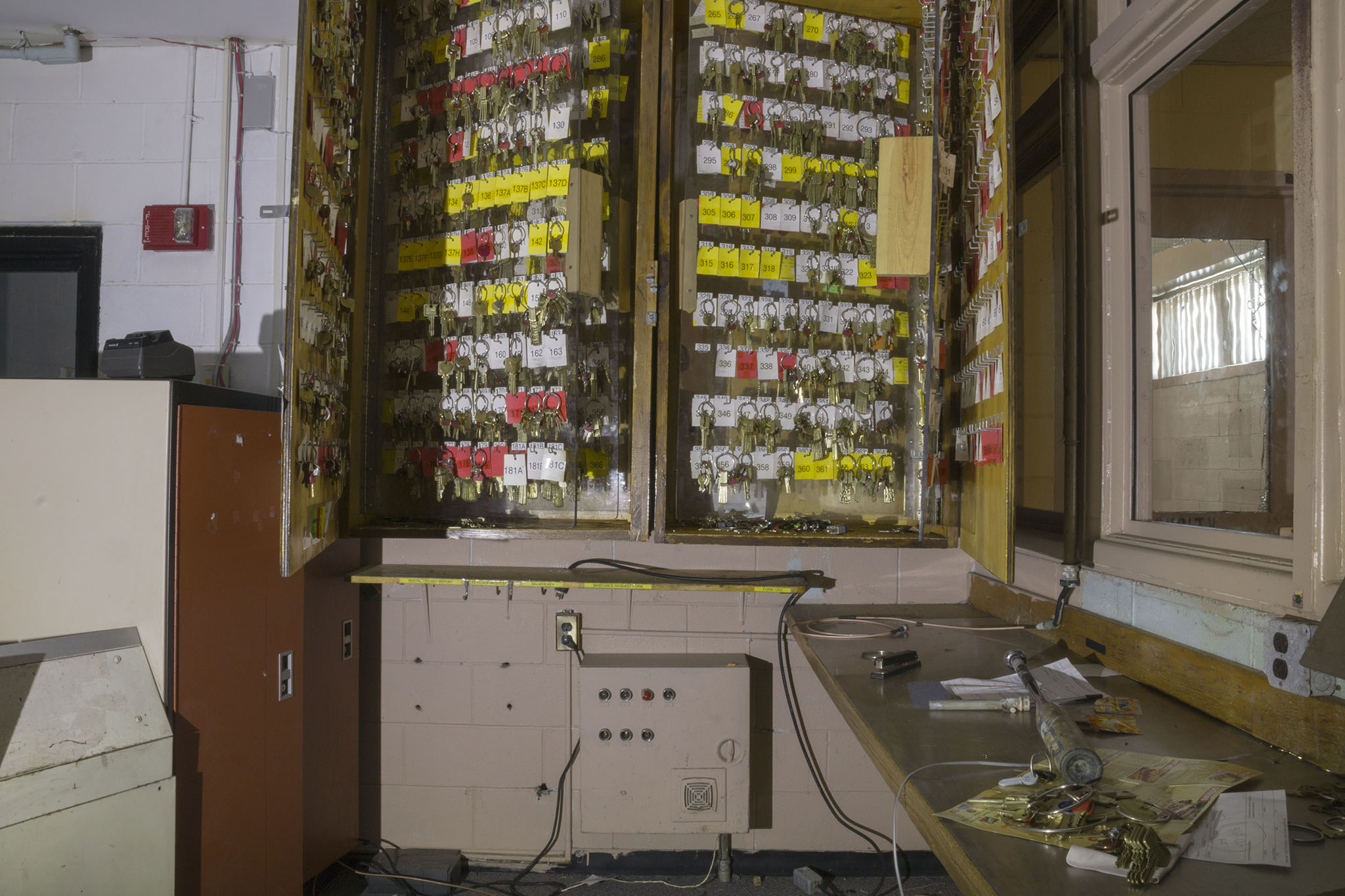
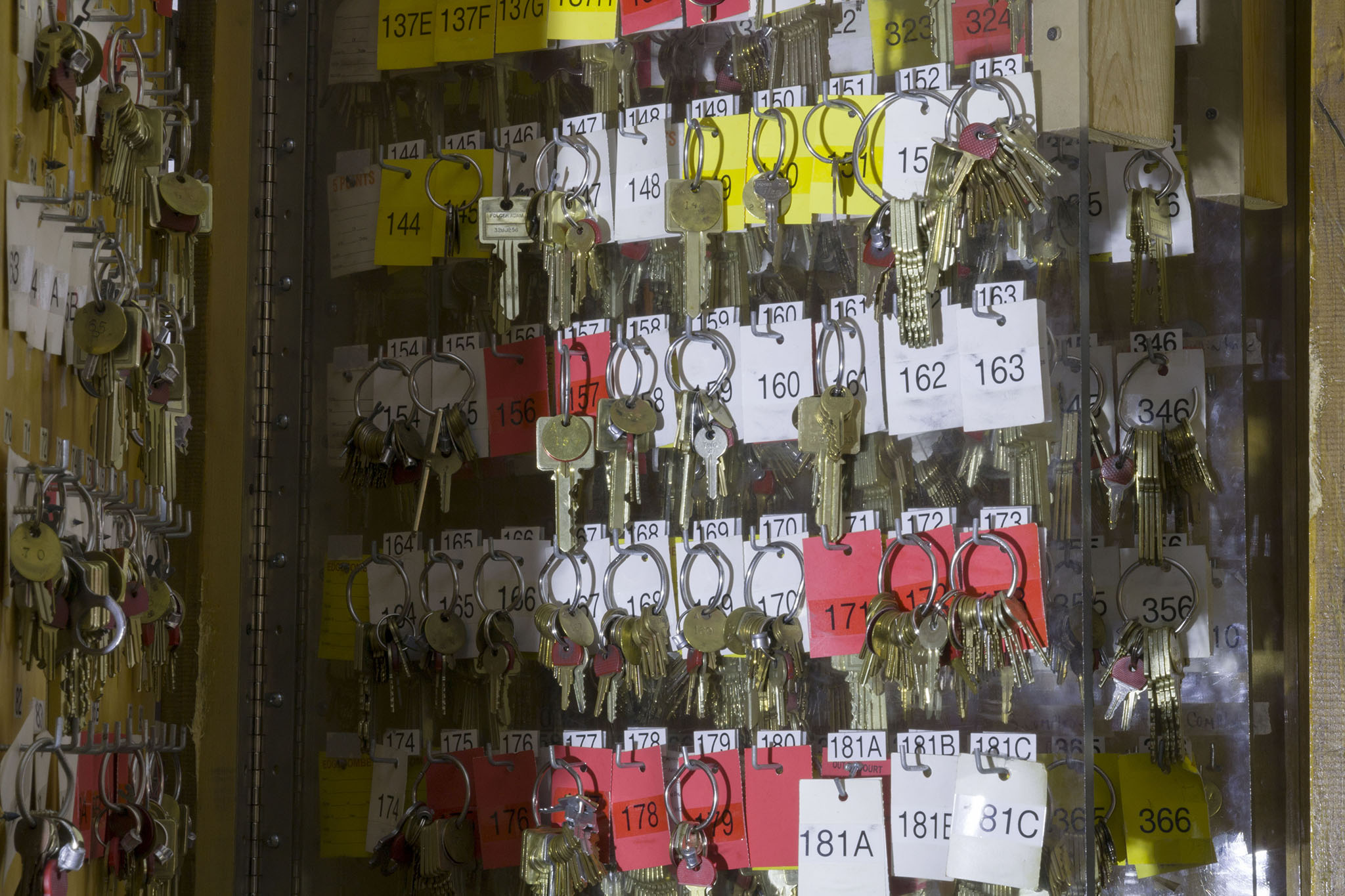
Electronic sensors that wrap around the perimeter of the facility had made Downstate the most modern correctional facility at the start of its construction in 1975. The $45 million ($209.8 million in 2025) facility had been the only new state-run prison to be built in over 30 years. At the time, it was considered a radical deviation from the traditional castle-like security measures at older facilities.
Not even a year since its opening in 1979, one of the prisoners managed to escape the facility, quietly climbing the two fences topped with barbed wire that wrap around the premises without notice. Convicted rapist and kidnapper, Richard Gantz, then went on to hold a married couple hostage for two days until he gave himself up two days later on August 15th. Shortly after this incident, the superintendent of Downstate, Robert McClay, was fired for his failure.

Multiple facial fractures, a collapsed lung, and five broken ribs left the 54-year-old inmate Kevin Moore hospitalized in the infirmary for 17 days. Kathy Scott and George Santiago, two officers at Downstate, nearly brought Moore to the brink of death after a verbal confrontation on November 12th, 2013. Santiago allegedly ripped a dreadlock off Moore's head and saved it as a "trophy."
False statements and the use of force reports were filed to cover up this heinous violation of civil rights; Scott and Santiago went as far as bruising one of their backs to justify their excessive use of force against Moore.

Neither was this the first or last time that a prisoner was brutally beaten to death by officers inside of a New York State correctional facility. Just a few months ago, officers at the Marcy Correctional Facility and Mid-State Correctional Facility severely beat an handcuffed inmate beyond the brink of death.
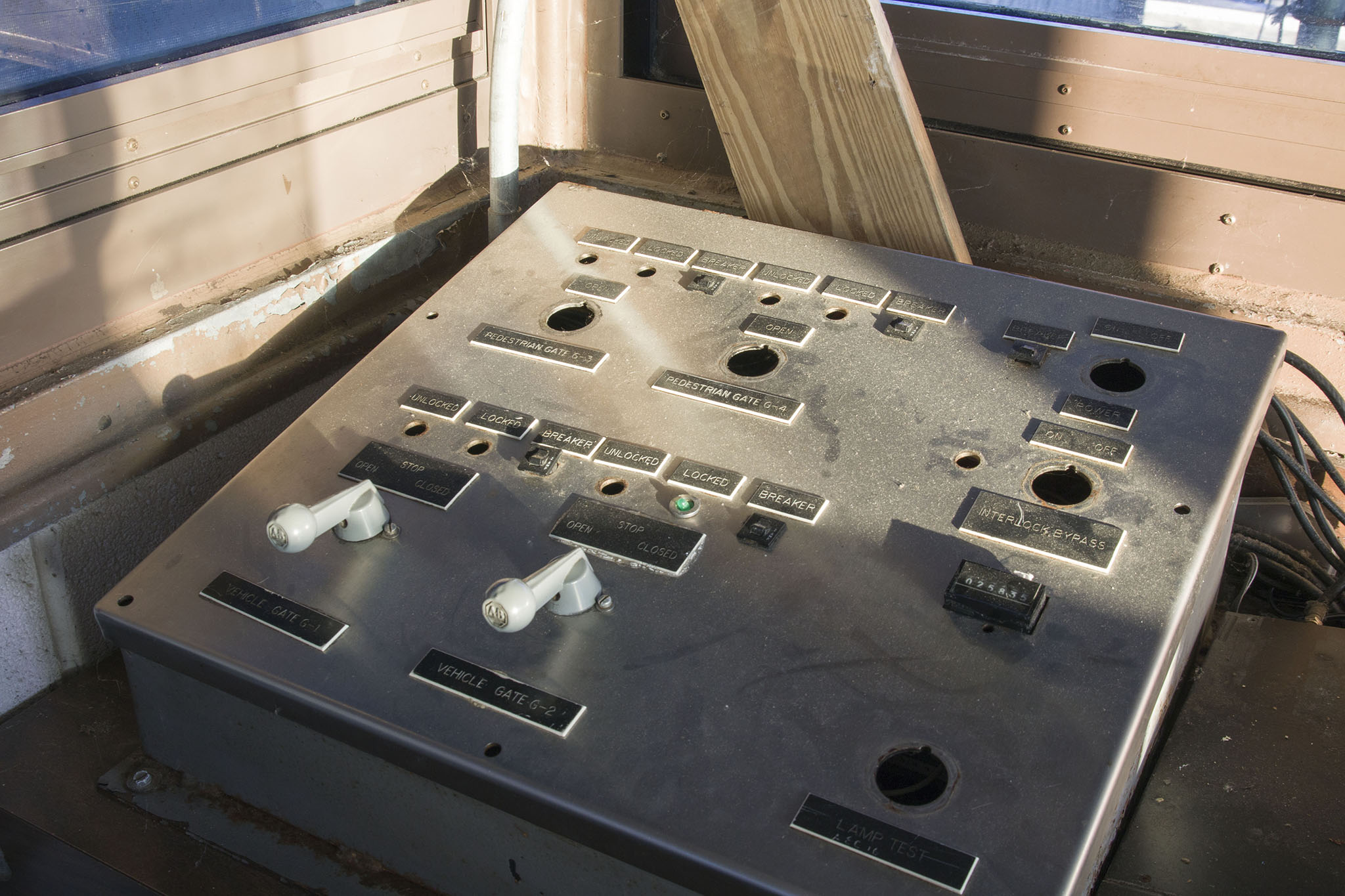
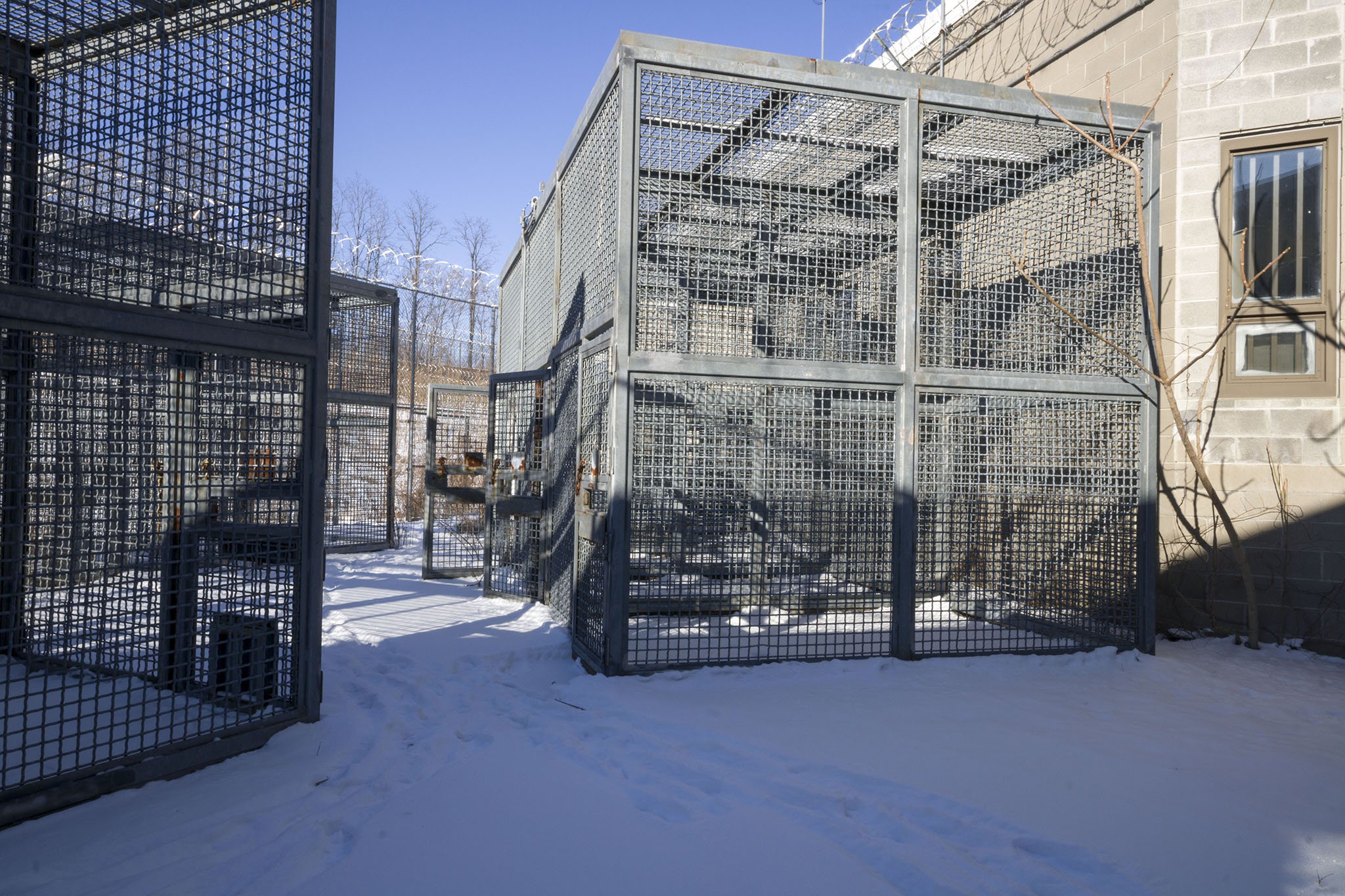
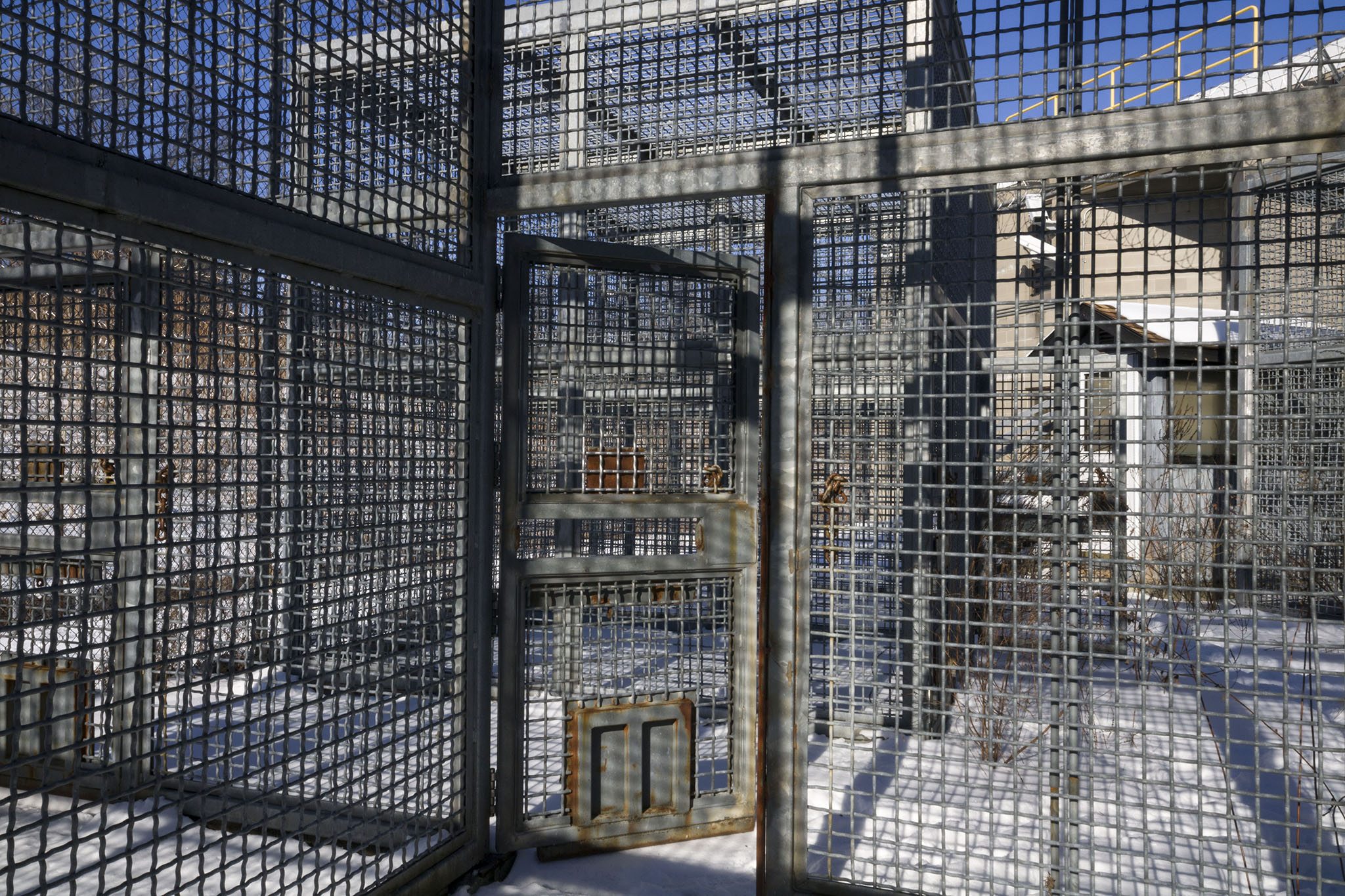
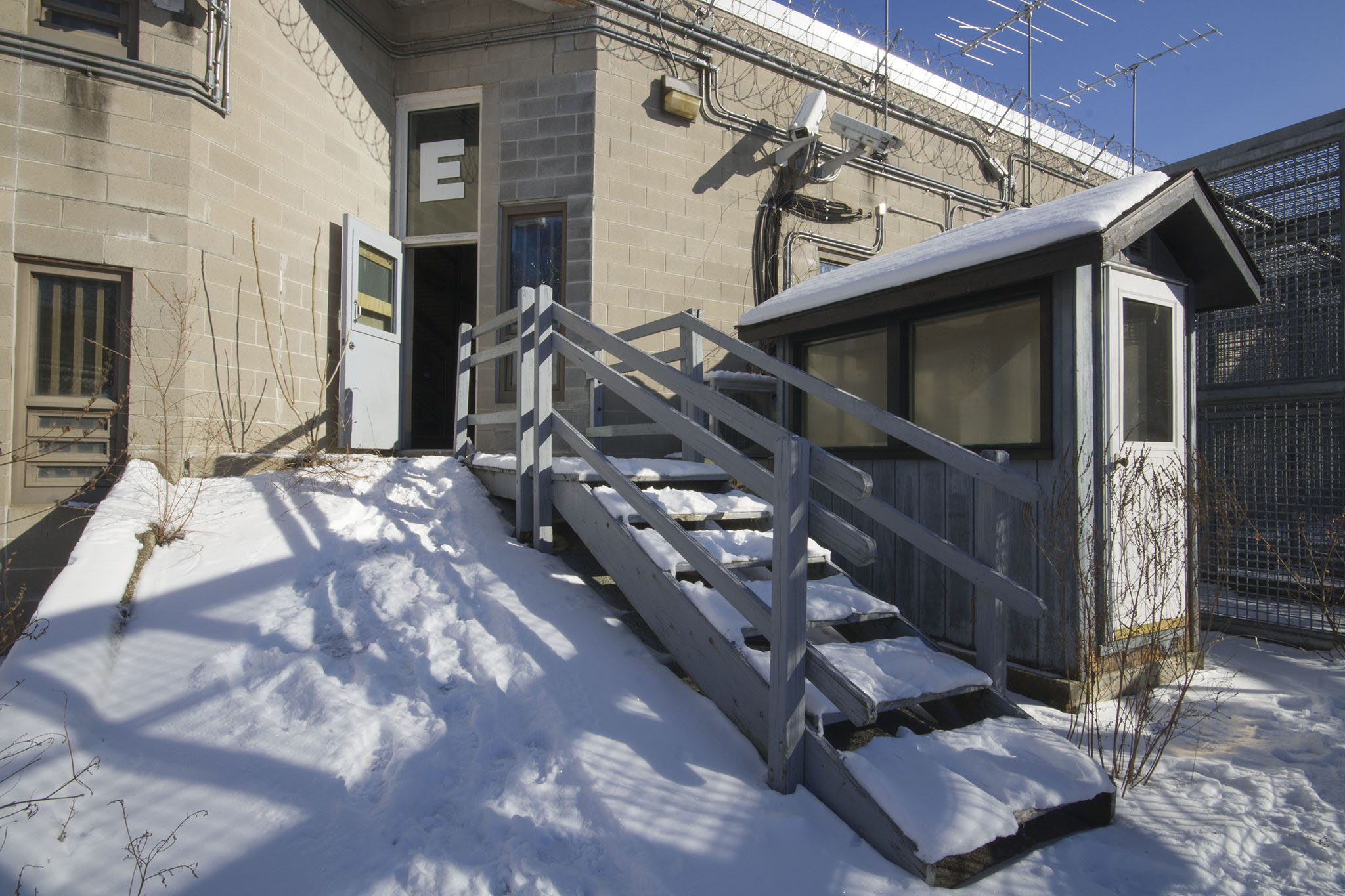
Robert Brooks, a 43-year-old prisoner serving a 12-year sentence for first-degree assault, was pummeled and then strangled to death by a gang of officers inside the medical examination room of the Marcy Correctional Facility. Allegedly a total of 17 employees were involved in the incident and were suspended afterwards; 6 of them are facing charges of second-degree murder and first-degree manslaughter.
Messiah Nantwi, a prisoner at the Mid-State Correctional Facility, was killed while serving a 5-year sentence for second-degree criminal possession of a weapon. Following a physical confrontation between him and an emergency response team, he was assaulted multiple times while handcuffed on the way to receive medical treatment.
Several officers participated in a cover-up that was described as "amateurish and ineffective" by District Attorney William Fitzpatrick of Onondaga County. They planted a makeshift shank inside of the cell as well as mopping up all the blood at the scene of the crime before authorities could launch an investigation.

Towards the start of the AIDS pandemic, officials at the Department of Corrections (D.O.C) passed around the idea of using the location as the central AIDS treatment center for all New York State inmates; in theory, it could've enhanced the level of care given to the patients rather than isolating them in each prison's respective infirmary.
Thomas LaRocca and Paul Dudley, two inmates serving their time, filed a class action lawsuit against the proposal in 1983. Their demands included the exclusion of the prison from potentially being used to house inmates infected with AIDS. LaRocca argued in court that the autoimmune disorder posed a significant danger to the rest of the prison population, based upon his misconceptions regarding how AIDS is transmitted.
During the COVID-19 pandemic, a visit to Downstate was made by the Correctional Association of New York in response to allegations of poor conditions and rumors of a forced work program. A total of 43 incarcerated individuals were interviewed during the (replace during) monitoring visit on October 21st, 2021; revealing several flaws in the system.
Suicide rates in New York State prisons are 88% higher than the national average, and the long wait times for medicial treatment likely contributes to this statistic. Inmates inside of the Special Housing Unit (SHU) were abused by the prison staff and failed to stop violence between incarcerated individuals.

Former Governor Andrew Cuomo closed 10 correctional facilities and prisons over his 10-year tenure. Up until his 1st term, only 3 correctional facilities in NY state had closed in 1985, 1996, and 2010.
Continuing where her predecessor left off, current Governor Kathy Hochul motioned to shut down 6 correctional facilities (including Downstate) as announced by the Department of Corrections and Community Supervision on November 1st, 2021. Officials from the department justified their choice by citing the low number of prisoners at these facilities and the $140 million needed to keep them functioning.
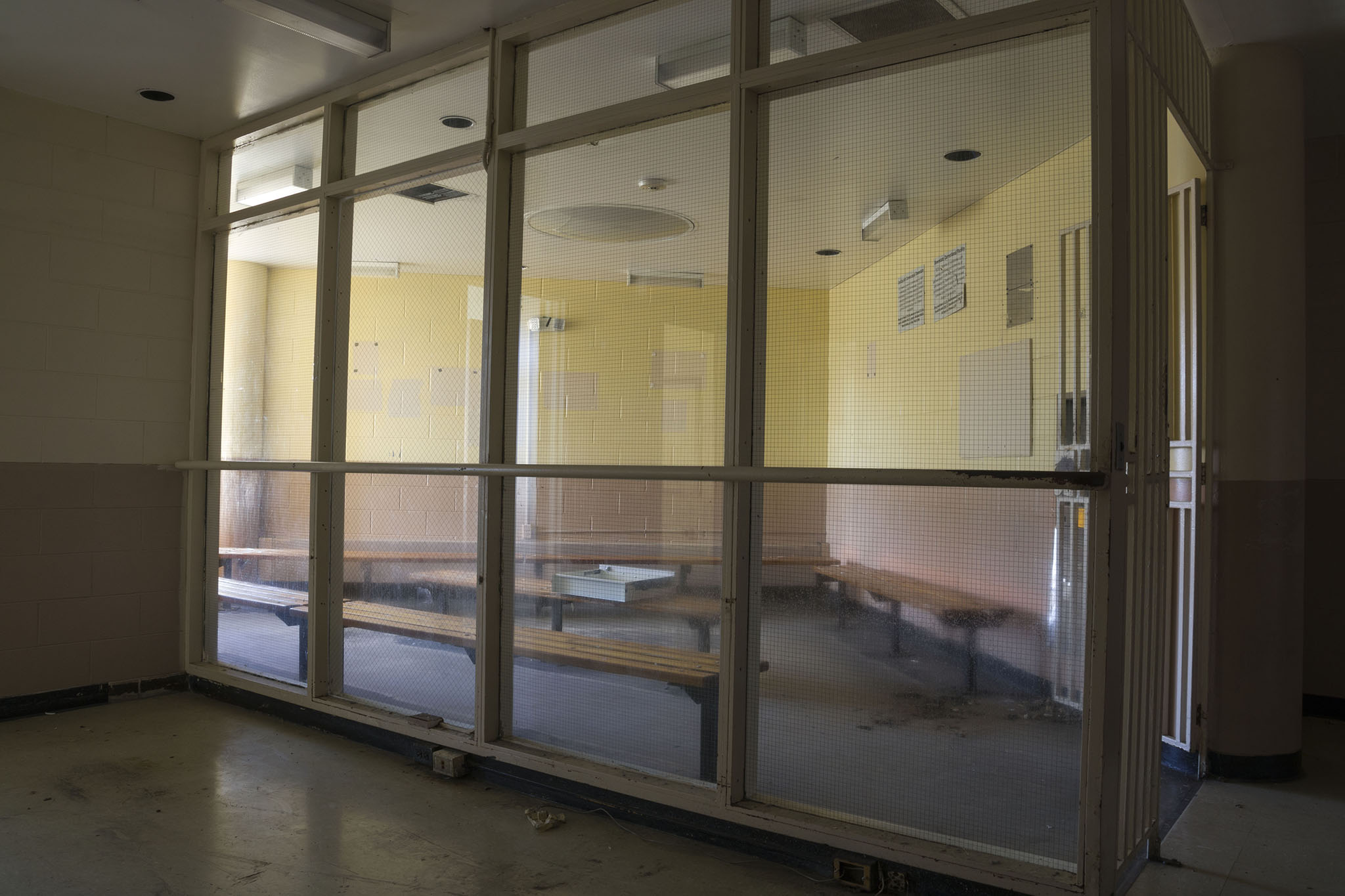
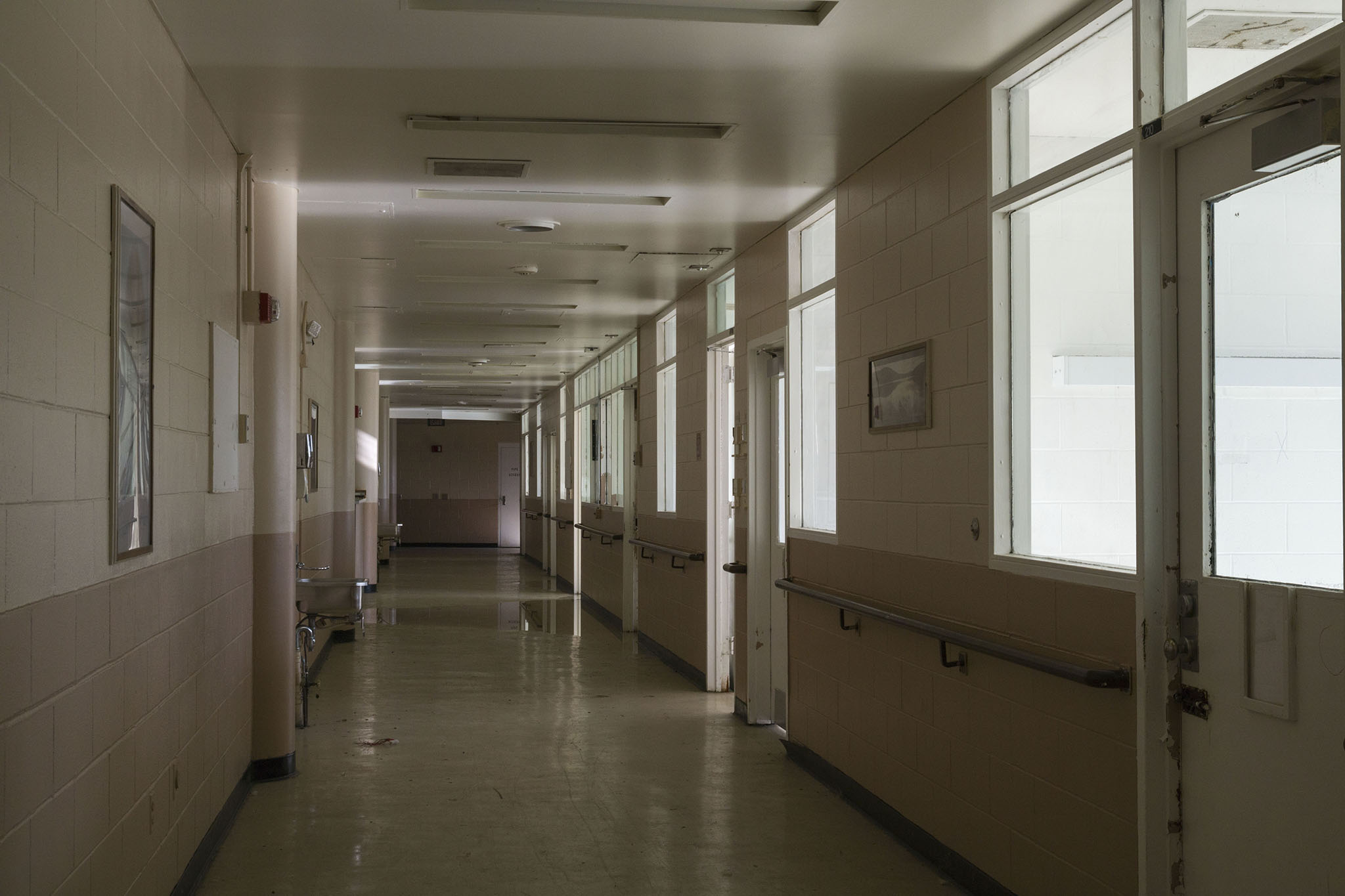
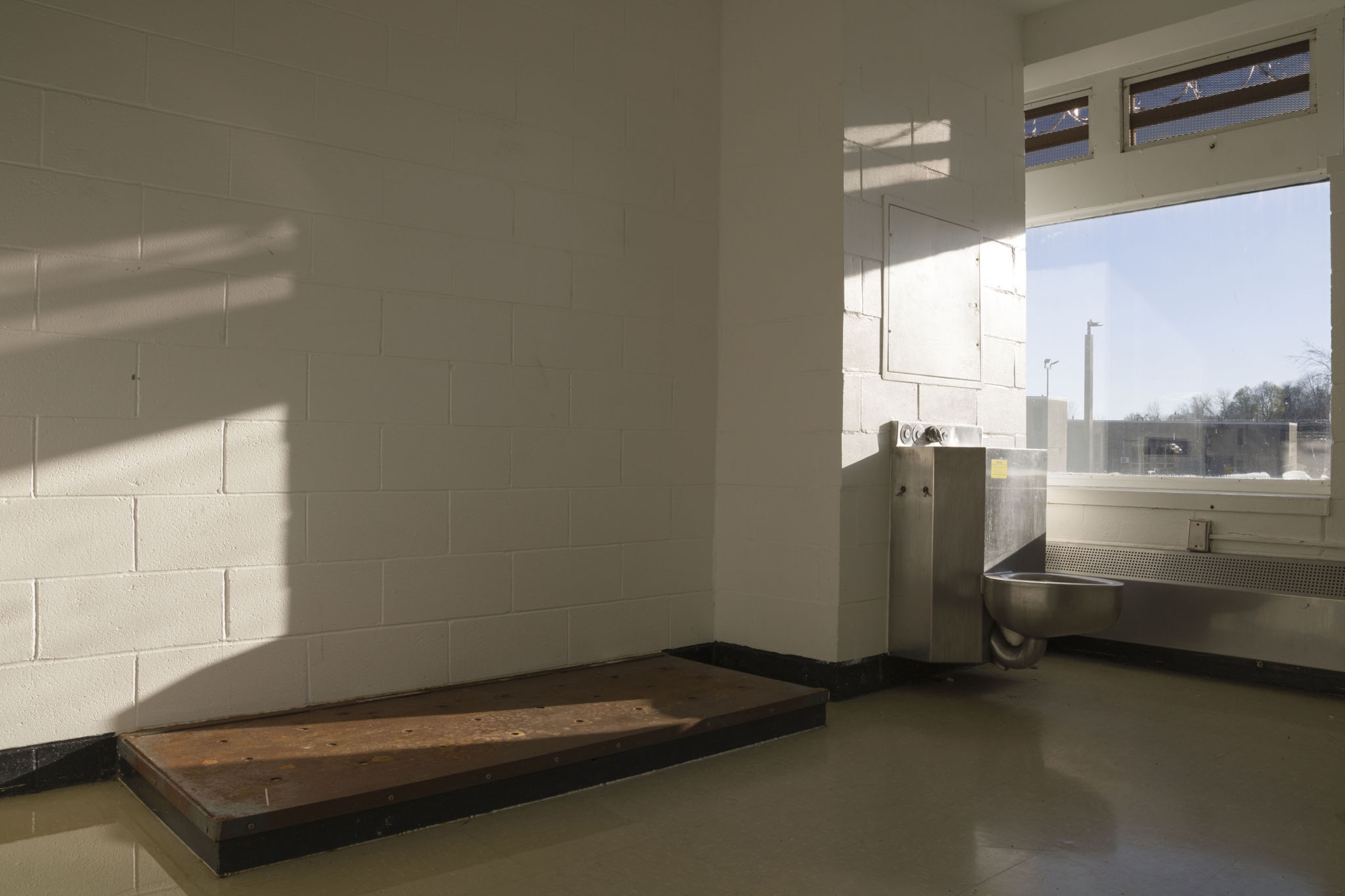
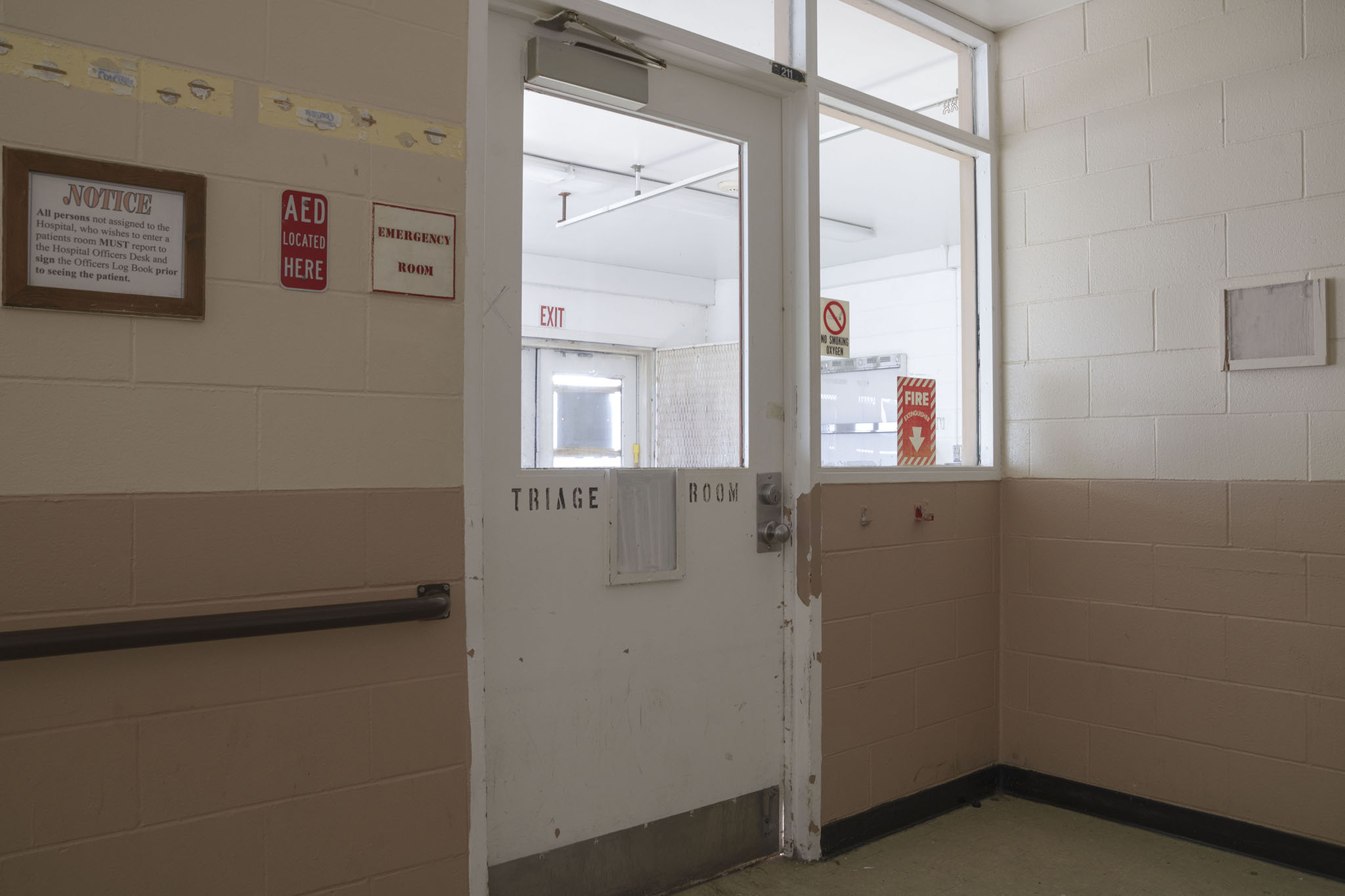
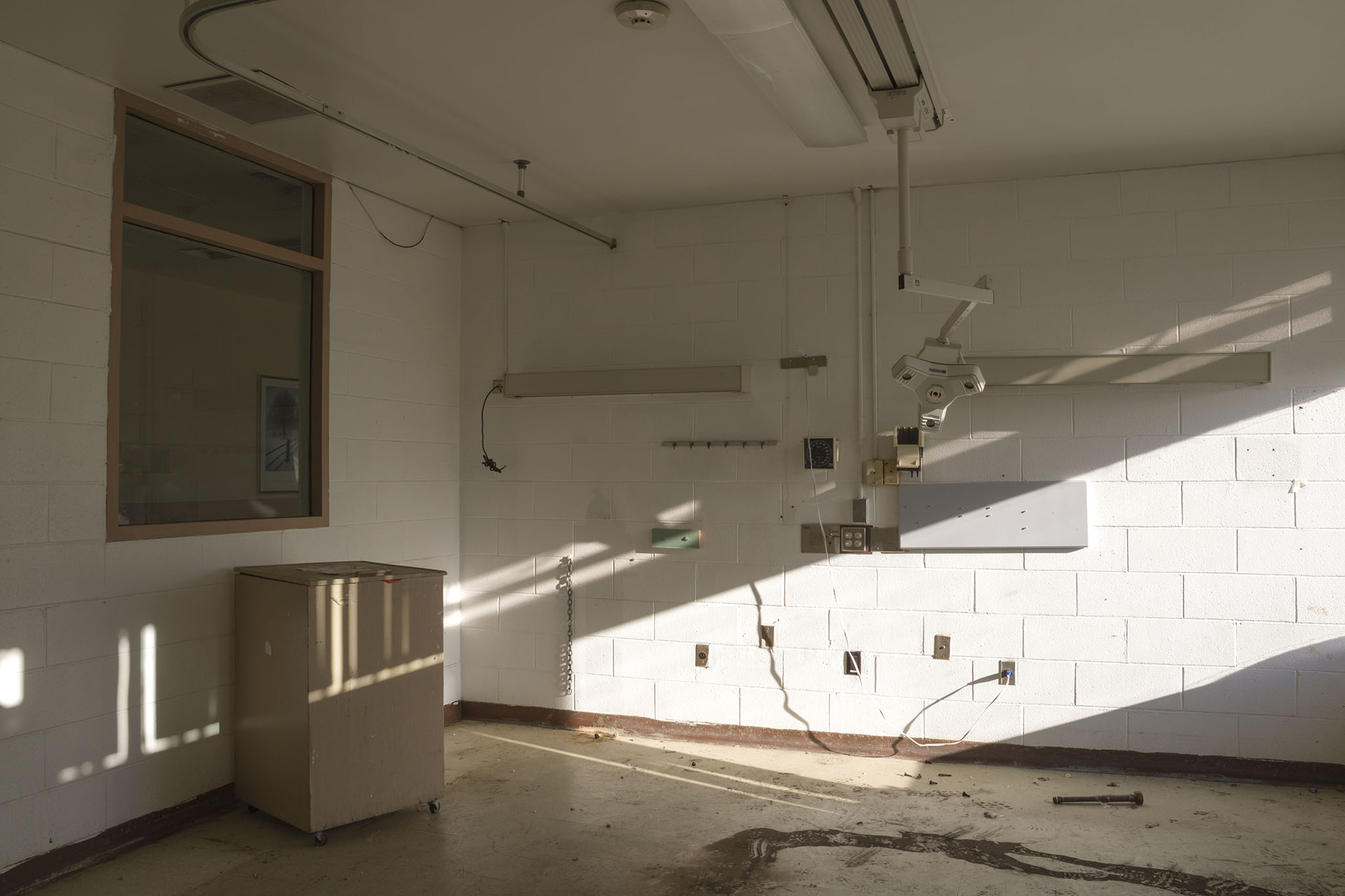
No layoffs were to be expected during the process of closing down these facilities; employees from the D.O.C. (Department of Corrections) were to be dispatched to other nearby correctional facilities. Of the 644 staff members at Downstate, a third were moved to the Green Haven Correctional Facility and the Fishkill Correctional Facility.
It started when 55 officers from Downstate were transferred to other facilities starting on December 16th, 2021. This gradual withdrawal of staff went on well into the next year, when 315 others were reassigned to another post on February 16th. On March 10th, 2022, the doors at Downstate were permanently closed.
Staff members were permitted a 90-day window to ease themselves into their new post or home to avoid having a lengthy commute. Relocation forms were handed out to the officers and sergeants to select their preferred facility to work at; priority was given on the basis of seniority and rank.


Conifer Realty LLC, a real estate company with offices in New York, New Jersey, Massachusetts, and Maryland, was chosen to redevelop the property by Governor Kathy Hochul on June 21, 2024. Part of the mixed-use development calls for common areas and playspaces, as well as setting aside some of the 1,300 housing units for affordable housing. Construction is expected to begin this month and will take up to 10 years to finish.